When a company hesitates to modernize its paint robots or automate an aging production line, decision-makers often focus only on the immediate project cost. What is too often overlooked is the cost of doing nothing. Every month spent with outdated equipment means lost productivity, compromised quality, and wasted resources.
Below is how this opportunity cost shows up in practice in a paint automation context.
Example from the Paint Sector: When an Aging Line Holds Back the Whole Organization
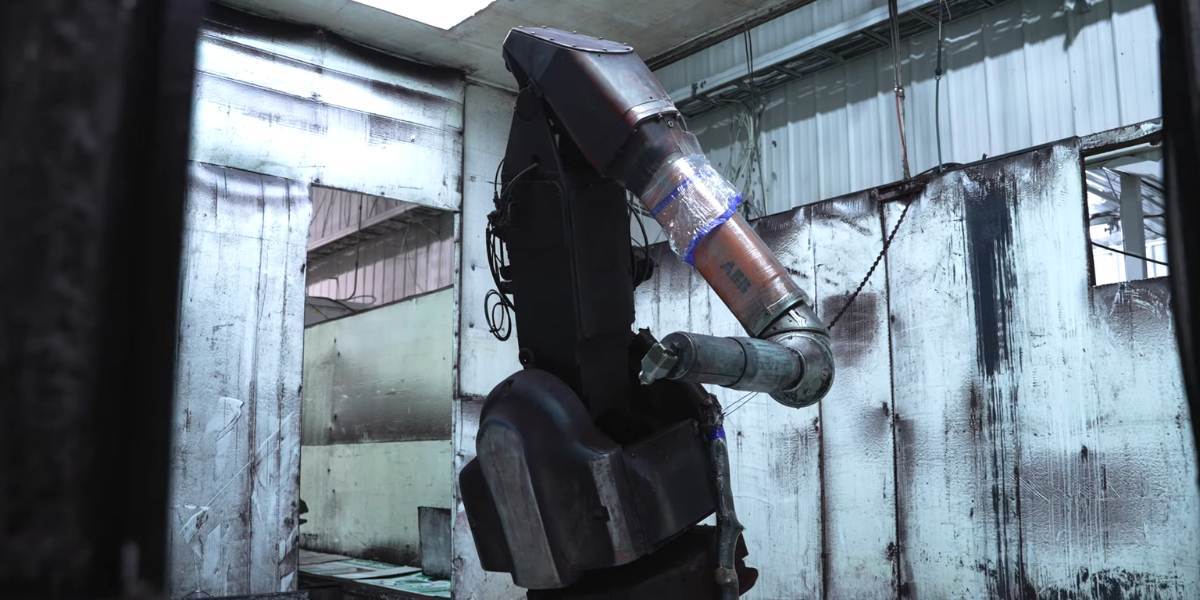
Many companies still rely on first-generation robots or even semi-manual processes. These technologies have served well, but they increasingly show their limits:
- Inconsistent, operator-dependent setup
- Higher-than-necessary paint consumption
- Irregular finish quality
- Limited productivity due to slower cycle times
This scenario reflects the challenge many manufacturers face when outdated technology starts to constrain broader operations.
Why Modernize? A Clear Vision of Needs
Modernization simplifies objectives: provide operators with a clear, real-time view of the line’s status, actionable alerts, and centralized supervision.
A modern integration, such as one delivered by Revtech Systems in a comparable case, enables operators to:
- See real-time diagnostics across multiple screens
- Immediately understand what’s happening with each robot
- Intervene quickly and effectively
- Reduce production downtime
Result: smoother, more predictable, and more profitable operations.
Typical Gains from Upgrading Paint Robots
Without diving into exact figures, here are the common improvements observed after modernizing paint robots:
- Increased Productivity – Newer robots maintain higher and steadier throughput with optimized paths and automatic parameter adjustments.
- Higher and More Consistent Quality – Fewer variations and reworks thanks to robotic precision.
- Reduced Paint Consumption – More precise control of flow, distance, and motion directly reduces waste.
- Fewer Unplanned Stops and Easier Maintenance – Modern robotic platforms detect anomalies earlier and communicate issues clearly.
- Improved Working Conditions – Operators shift away from repetitive manual tasks to roles focused on supervision and optimization—critical in a tight labor market.
The Opportunity Cost: What Does Waiting Really Cost?
When a company postpones modernizing its paint line, it forgoes significant gains year after year. The extra productivity that could have been generated, the savings in paint consumption, fewer reworks, and more stable throughput all remain unrealized until modernization happens.
Even without precise numbers, one truth remains: the cost of waiting often far exceeds the investment required for the project. As equipment ages, inefficiencies accumulate. Problems become harder to diagnose, micro-stops multiply, quality deteriorates, and reworks consume time and resources. Each month of delay prolongs these losses and prevents the company from benefiting from technology that can stabilize, optimize, and predict performance.
In this context, maintaining the status quo may seem cautious, but it is often the most costly choice. While an organization delays transformation, competitors optimize operations, improve quality, and increase margins. Technologies continue to advance, but aging equipment stagnates, widening the gap between an organization’s potential and its actual performance.
Frequently Asked Questions
How do I know if my paint line is due for modernization?
If diagnostics are difficult, reworks are frequent, or throughput is limited, a modernization could quickly yield ROI.
Does opportunity cost apply to smaller cells too?
Yes. Even a single older robot can lead to major inefficiencies.
What if I’m not ready to modernize now?
Planning is already a valuable step. A diagnostic by our robotics experts can quantify potential gains and build a clear roadmap for the future.